
HOSPITALITY INSIGHTS · OPERATIONS UNDER PRESSURE
Part of the Operations Under Pressure series — examining what changes when normal operating habits meet real service load.
The printer is screaming at 8:15 PM on a fully booked Friday.
The pass is logjammed. The bar is backed up. And the second a senior manager steps away to handle a table, the whole shift threatens to stall.
What goes through an operator’s head at that moment?
“The staff lack urgency.”
“The kitchen needs to hustle.”
“We need another terminal.”
“We need another runner!”
Sounds reasonable, does it not?
Except it may be wrong.
Because you are staring at the smoke while completely ignoring where the fire actually started.
The Strange Case of the Quiet Restaurant
Operational problems have a sneaky little habit.
They hide.
At 4:30 PM, your service pipeline works fine.
At 5:30 PM, it works fine.
At 6:30 PM, it is still humming along.
Then the room fills up, and the whole operation drops into low gear.
Now stop and ask yourself a simple question:
If the operation worked cleanly when it was quiet, why did it suddenly “break” when it got busy?
Did your staff suddenly forget how to walk?
Did the kitchen line get lazy?
No.
When a restaurant is quiet, it has something precious: spare capacity.
When a server chats for two minutes before entering an order, the line cooks absorb it. When a runner takes thirty seconds to find a table, nobody notices. When a simple modification requires a manager’s approval, there is still enough room in the operation to wait.
The quiet room hides the drag.
But peak volume strips that spare capacity away.
Suddenly, your operation is trying to move everything through the same narrow pipe at once:
- Guest decisions
- Ticket entries
- Modifications
- Plates and drinks
- Questions and authorisations
Each tiny drag point may take only five seconds.
But under peak load, those five-second delays stop being minor inconveniences.
They start colliding.
That is what makes managing high-volume restaurant operations so difficult. The individual actions have not changed. What has changed is the operation’s ability to absorb them.
The Loud Printer Fallacy
Every experienced operator knows that sound.
Click-click-click-zip.
Click-click-click-zip.
Four tickets appear in six seconds.
It sounds as though half the dining room decided to order the ribeye at exactly the same moment.
Maybe they did.
Or perhaps those orders were sitting in a server’s head while they waited for a manager to authorise a simple drink change.
Perhaps three servers reached the terminal together.
Perhaps several tables had been ready to order for ten minutes, and their orders were finally released at once.
The kitchen feels the sudden surge.
The chef sees the tickets.
The line gets slammed.
So where does everyone look?
The kitchen.
Or the printer.
“The kitchen is falling behind!”
Notice what just happened.
The printer is only the messenger.
It tells you that pressure has arrived. It cannot tell you where that pressure was born.
If you react only to the noise, you yell for more hustle. You put another person on the pass. You throw panic at the end of the line.
The pass may clear for ten minutes.
But the real point of friction is still sitting upstream, quietly generating the next wave.
Why More Interventions Can Make It Worse
When service begins to drag, the natural instinct is to fix the symptom you can see.
Servers waiting at a terminal?
Add another terminal.
Food sitting on the pass?
Hire another runner.
Drinks backing up?
Put another bartender on the well.
Sometimes that helps.
But you may not be removing friction. You may simply be moving it to a different room.
If you add another terminal, servers can enter orders faster.
Excellent.
But if three servers now release fifteen tickets onto the kitchen line in thirty seconds, you have not removed the drag.
You have handed a tidal wave to the chef.
Or take handheld ordering devices.
They save steps, right?
But if entering a basic steak modification forces a server to tap through four nested screens, you have not saved time.
You have simply traded walking time for screen time.
Technology and additional labour do not automatically create flow.
Sometimes they simply relocate the chaos.
The Hero Trap: When Humans Hide the Lag
Here is the most dangerous part of all.
Your team cares. They want service to survive.
So when things start backing up, what do they do?
They compensate.
A server carries someone else’s drinks.
A busser runs across the floor to find a missing table.
A bartender abandons the bar to answer a question.
Then the manager steps in.
The manager runs food, clears plates, authorises overrides, calms angry guests and physically drags the shift across the finish line through pure adrenaline.
At 11:00 PM, everybody collapses, wipes their forehead and says:
“Whew. We pulled through.”
Did you?
Or did your team absorb a system failure with their own exhaustion?
There is nothing wrong with a manager stepping in when something exceptional happens. That is part of operating.
But when a manager has to rescue the exact same point every Saturday night, it is no longer an emergency response.
It has become an unofficial operating process.
A human being is now acting as a crutch, hiding the fact that the underlying workflow cannot carry peak load without being rescued.
Stop Fixing the Loudest Room
When service slips, attention naturally rushes towards the loudest thing in the building:
- The screaming printer
- The clogged pass
- The backed-up bar
- The manager sprinting across the room
To fix it, operators instinctively throw money, extra staff or frantic commands at the end of the line.
Maybe you do need to make a change.
Maybe another terminal, another runner or another bartender would genuinely help.
But you do not know that yet.
Before you spend more money or change a single schedule, you have to answer one fundamental question:
Where did smooth movement first begin to change?
Because you saw where the problem ended.
Now you have to find where it actually began.
You Saw Where It Ended. Now Find Where It Began.
The terminal queue, the clogged pass or the backed-up bar shows you where pressure became visible.
It does not show you where that pressure was generated.
That is why we created the Peak Hour Pathfinder™.
It is a three-part operational diagnostic package designed to be used during live, high-volume service across the core areas where friction builds:
- The Floor
- The Kitchen and Pass
- The Bar
The Pathfinder does not begin with a theory about which department is to blame, and it does not require you to stop service.
It measures what is happening while your restaurant is under actual load—helping you locate where movement slows, where pressure accumulates and where your staff are quietly compensating for a workflow that is no longer carrying the load.
It does not repair the operation or decide what you should change.
It shows you what you are actually responding to before you add another screen, hire another person or demand more hustle.
"Run the Peak Hour Pathfinder™ during a real peak-hour service."
Locate where the pressure begins—before you spend money fixing where it ends.
Article by
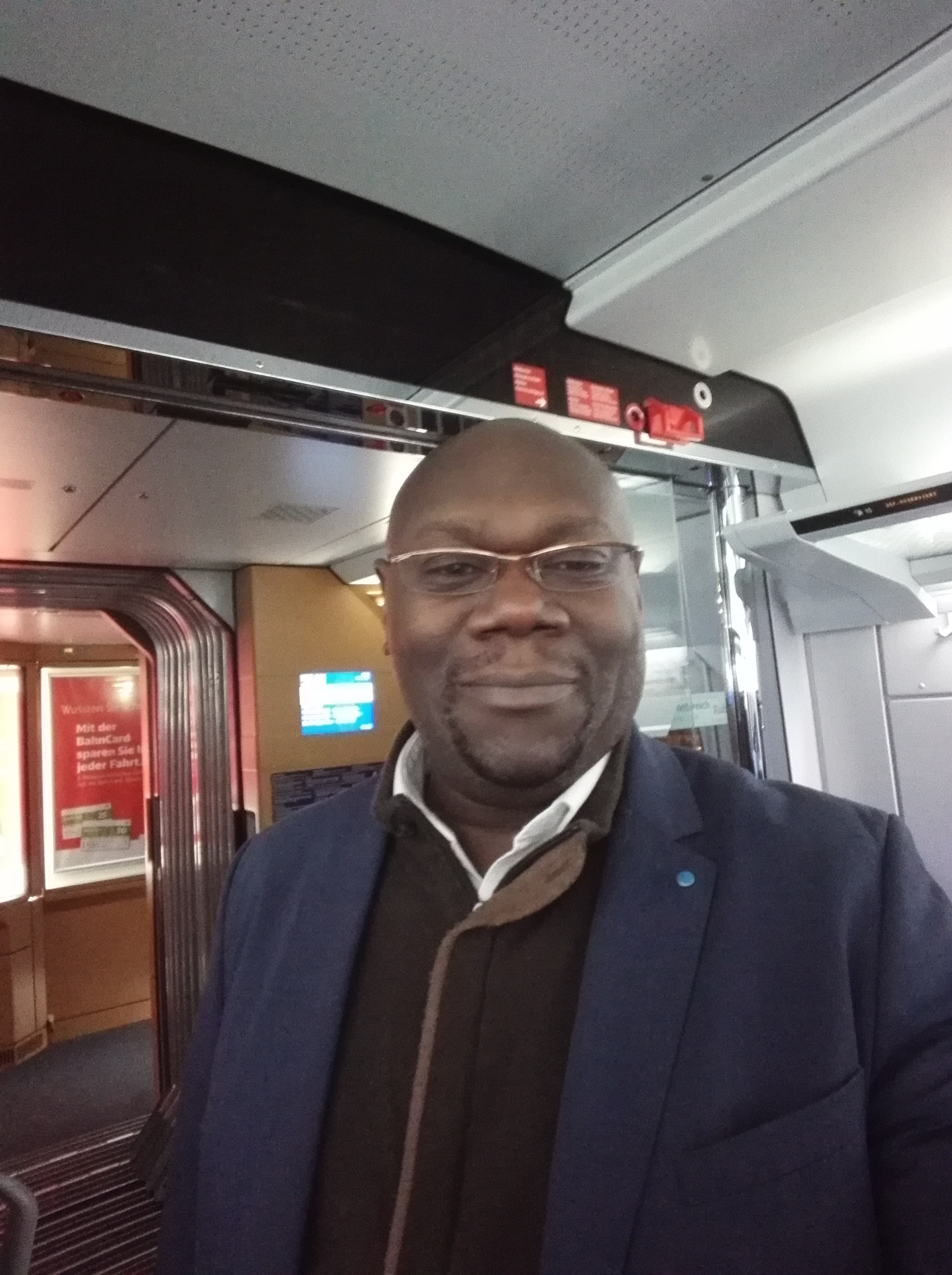
Amos J. Amolo
Amos Jactone Amolo is the founder of 6th Sense Hospitality and an Operations System Designer with more than 30 years of experience across food & beverage, live events, catering and venue operations. He still actively owns and operates hospitality and event businesses, so his observations are not based on what the industry used to look like. They are being tested on the floor today.
His perspective was built — and continues to be tested — in live operating environments where decisions happen in real time. He watches what changes when an operation comes under pressure: where timing slips, information stops moving, responsibility becomes unclear and people begin compensating for a system that is no longer helping them.
Just as importantly, he watches the customer. Changing drinking habits, new expectations around food, shorter attention spans and the increasingly visual way guests make buying decisions are already changing how hospitality needs to operate.
That thinking forms the foundation of 6th Sense Hospitality: look beyond the obvious symptom and find where people, process, technology, money and decision-making have stopped working together.
His core philosophy is simple:
“If your team starts to guess, the money has already left the building.”
Through 6th Sense Hospitality, Amos develops practical diagnostics and operational systems that help operators see what is actually happening inside their businesses — before workarounds become accepted as normal.
Not theory. Still operating. Still observing. Still testing what actually works.
Disclaimer
The content published by 6th Sense Hospitality is provided for informational and educational purposes and reflects practical hospitality experience and operational analysis. It is not intended as legal, financial, tax, HR, or other professional advice. Business circumstances vary, and readers should seek appropriate professional advice where necessary.


